


With a blend of tradition, innovation, and sheer passion for the beautiful game, the Bundesliga is poised to write the next chapter in its storied history, captivating hearts and minds with the thrill of footballing excellence for generations to come.
However, as the decades passed, the Bundesliga began to witness the emergence of more nuanced and sophisticated tactical approaches. The influence of prominent managers like Hennes Weisweiler, Udo Lattek, and Jupp Heynckes introduced a greater emphasis on possession-based play, positional rotations, and the development of well-organized defensive structures.
The 'Ultras' are renowned for their innovative and visually striking tifo displays, which often involve intricate banners, choreographed chants, and coordinated pyrotechnic displays. These spectacles have become a defining aspect of the Bundesliga matchday experience, contributing to the league's reputation for having some of the most passionate and engaged supporters in the world.
The Bundesliga, Germany's top-flight professional football league, has long been regarded as one of the most prestigious and competitive leagues in the world. With a rich history spanning over six decades, the Bundesliga has consistently produced world-class players, innovative tactics, and a passionate fan culture that has captivated audiences globally.
The Rise of Borussia Dortmund
While Bayern Munich's dominance has been a constant in the Bundesliga, the league has also witnessed the emergence of other powerhouses, most notably Borussia Dortmund. The "Black and Yellows" have established themselves as Bayern's primary rivals, challenging their supremacy both on the domestic and European stages.
Balancing Competitiveness and Financial Sustainability
Another key challenge facing the Bundesliga is the delicate balance between maintaining the league's competitive integrity and ensuring the long-term financial sustainability of its clubs. The league's commitment to the 50+1 rule, which limits the influence of external investors, has been praised for preserving the traditional values of the sport, but it has also imposed constraints on the ability of Bundesliga clubs to compete with the financial resources of their counterparts in other leagues.
This fervent fan culture is rooted in the deeply ingrained traditions and identities of the clubs, with supporters taking immense pride in their teams and the communities they represent. The close-knit relationships between fans and their clubs, fostered through generations of shared experiences, have contributed to the creation of a unique and vibrant matchday atmosphere.
This analytical approach has allowed Bundesliga clubs to gain a deeper understanding of their players' performance, identify areas for improvement, and make more informed decisions in the transfer market. As the league continues to face stiff competition from its global rivals, leveraging cutting-edge technology and data-driven strategies will be crucial for Bundesliga clubs to stay ahead of the curve and continue to attract and develop top talent.
Youth Development: The Bundesliga's Commitment to Nurturing Young Talent
The Bundesliga's Renowned Youth Academies
The Bundesliga's commitment to youth development is one of the league's defining characteristics, with many of its clubs boasting world-class youth academies that have become renowned for their ability to identify and nurture young talent. From the iconic La Masia academy at Barcelona to the renowned youth setup at Ajax, the Bundesliga has long been recognized as a leader in the field of youth development.
As the Bundesliga continues to evolve and adapt to the changing landscape of the sport, its global influence is likely to continue to grow, with the league's unique blend of tradition, innovation, and fan-centered values continuing to captivate audiences worldwide.
Franz Beckenbauer, often referred to as "Der Kaiser," is another iconic figure in German football history. A versatile player known for his elegant style and exceptional leadership qualities, Beckenbauer achieved great success with both Bayern Munich and the German national team. As a player and later as a coach, Beckenbauer revolutionized the role of the sweeper, showcasing his tactical intelligence and visionary approach to the game.
Continued Emphasis on Youth Development and Talent Identification
As the Bundesliga looks towards the future, its unwavering commitment to youth development and talent identification remains a cornerstone of its success. By fostering a culture of innovation, creativity, and excellence within their academies, clubs in the Bundesliga can continue to produce world-class players who embody the league's values of passion, tradition, and sporting excellence.
The Bundesliga's Global Appeal
The Bundesliga's global reach and appeal have grown exponentially in recent decades, with the league's captivating brand of football attracting legions of fans from around the world. The league's emphasis on affordability, fan engagement, and the development of young talent has resonated with audiences who seek an alternative to the perceived excesses and commercialization of some of Europe's other top leagues.
Jürgen Klopp's tenure at Borussia Dortmund, in particular, had a profound impact on the Bundesliga. His "Gegenpressing" philosophy, which emphasized relentless pressing and rapid counterattacks, inspired a new generation of coaches and players to embrace a more dynamic, high-octane brand of football.
Bundesliga Powerhouses: Bayern Munich's Dominance and the Rise of Borussia Dortmund
The Impact of Bundesliga Coaches on Tactical Innovation
The Bundesliga has been a breeding ground for some of the most renowned and influential football coaches in the world. Figures like Ottmar Hitzfeld, Felix Magath, and Jürgen Klopp have left an indelible mark on the league, introducing innovative tactical concepts that have gone on to shape the global game.
The Future of the Bundesliga: Predictions and Potential Developments
Global Expansion and Market Growth
The Bundesliga's global appeal continues to grow, with an increasing number of international fans tuning in to watch matches and support their favorite clubs. As the league expands its reach into new markets, particularly in Asia and the Americas, opportunities for commercial growth and brand exposure are on the rise. Leveraging digital platforms, social media, and strategic partnerships, the Bundesliga is poised to capitalize on its global popularity and solidify its position as a leading football league worldwide.
Embracing Technological Advancements and Data-Driven Strategies
In the ever-evolving world of modern football, the Bundesliga has recognized the importance of embracing technological advancements and data-driven strategies to maintain its competitive edge. Clubs within the league have invested heavily in state-of-the-art analytics and performance tracking systems, leveraging data-driven insights to optimize their training, tactics, and player recruitment.
The Emergence of Analytically-Driven Tactics
In recent years, the Bundesliga has witnessed a growing emphasis on the use of data and analytics to inform tactical decision-making. Clubs have invested heavily in state-of-the-art technology and data analysis to gain a competitive edge, with some teams employing dedicated data analysts and sports scientists to support their coaching staff.
This commitment to player development extends beyond the technical and tactical aspects of the game, with Bundesliga clubs placing a strong emphasis on the personal and psychological growth of their young players. Through comprehensive mentorship programs, structured educational opportunities, and a focus on fostering a positive team culture, Bundesliga clubs aim to create an environment that not only cultivates exceptional footballers but also well-rounded individuals.
This heightened competition has posed a significant challenge for Bundesliga clubs, who have struggled at times to retain their top players in the face of the financial might of their rivals. The migration of players like Jadon Sancho, Erling Haaland, and even Robert Lewandowski to other leagues has highlighted the need for the Bundesliga to continue to innovate and adapt to maintain its status as a premier destination for the world's best footballing talent.
This emphasis on youth development and prudent financial management has allowed Bundesliga clubs to remain competitive on the domestic and European stages, even in the face of the financial might of their rivals. Clubs like Borussia Dortmund, RB Leipzig, and Bayer Leverkusen have consistently punched above their weight, leveraging their ability to identify and nurture young talent to achieve remarkable results.
The Bundesliga's Approach to Talent Identification and Development
The Bundesliga's success in nurturing young talent can be attributed to a multifaceted approach that combines sophisticated scouting networks, state-of-the-art training facilities, and a deep commitment to player development. Clubs in the Bundesliga invest heavily in their youth academies, employing a cadre of experienced coaches and sports scientists who are dedicated to the holistic development of their young charges.
This analytical approach has led to the development of more sophisticated tactical systems, with teams optimizing their formations, pressing patterns, and player roles to maximize their performance. The Bundesliga's openness to innovation has allowed these data-driven tactics to thrive, further contributing to the league's reputation as a hub of tactical evolution.
This influx of Bundesliga-developed talent has not only enriched the quality of play in other top leagues but has also influenced the broader strategic and tactical landscape of the sport. The success of Bundesliga-trained players has inspired other clubs and leagues to emulate the league's youth development model, as they seek to unearth and nurture the next generation of global footballing talent.
Fan Culture in the Bundesliga: Passion, Tradition, and the 'Ultra' Movement
Dortmund's rise to prominence can be traced back to the 1990s, when the club won two consecutive Bundesliga titles under the guidance of Ottmar Hitzfeld. In the following decades, Dortmund continued to be a force to be reckoned with, winning further league titles and experiencing periods of sustained success.
This financial landscape has allowed Bundesliga clubs to achieve a level of stability and long-term planning that is often lacking in other top-tier leagues. Clubs are required to adhere to strict financial regulations, known as the 50+1 rule, which limits the influence of external investors and ensures that the majority of a club's ownership remains in the hands of its supporters.
This dilemma has forced Bundesliga clubs to find innovative ways to remain competitive, often relying on their exceptional youth development systems and strategic player trading to offset their financial limitations. The league's emphasis on sustainable growth and prudent management has served it well in the past, but as the global football landscape continues to evolve, the Bundesliga must find ways to adapt and maintain its position as a force to be reckoned with on the domestic and international stages.
Manuel Neuer, often hailed as the best goalkeeper of his generation, has redefined the role of the modern goalkeeper with his sweeper-keeper style. Neuer's shot-stopping abilities, commanding presence, and exceptional distribution have set new standards for goalkeeping excellence. As a key leader for both Bayern Munich and the German national team, Neuer's influence on the pitch extends far beyond his remarkable saves.
Modern-Day Heroes: Thomas Müller and Manuel Neuer
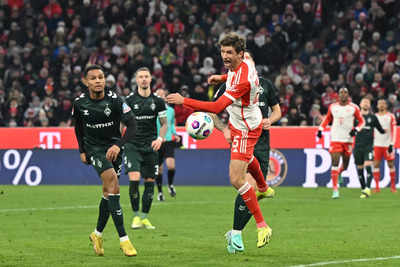
Thomas Müller, a product of Bayern Munich's youth academy, has emerged as a key figure in the modern era of German football. Known for his unique playing style and unparalleled footballing intelligence, Müller has been a linchpin for both club and country. His ability to find space, create chances, and score crucial goals has made him a fan favorite and a vital component of Bayern Munich's continued success.
Hitzfeld, for instance, was renowned for his adaptable, pragmatic approach, often tailoring his tactics to the strengths of his players. Magath, on the other hand, was a pioneer of the high-intensity, pressing-focused style that has become increasingly prevalent in modern football.
Challenges and Opportunities: Facing Competition from Other Leagues and Maintaining Sustainability
The Rise of Rival Leagues and the Challenge of Retaining Talent
While the Bundesliga has long been considered one of the world's premier football leagues, it has faced increasing competition from other top-tier competitions in recent years. Leagues like the English Premier League, La Liga, and Serie A have all made concerted efforts to attract top talent, often offering lucrative salaries and the lure of playing in the world's most high-profile competitions.
The Social and Political Influence of Bundesliga Fans
Beyond the realm of football, Bundesliga fans have also demonstrated a strong social and political consciousness, using their platforms to advocate for various causes. From supporting anti-discrimination initiatives to voicing concerns about the commercialization of the sport, the fan base has shown a willingness to engage in discussions and campaigns that extend beyond the confines of the pitch.
This influx of young talent has not only enriched the quality of play in the Bundesliga but has also influenced the strategies of other top leagues, as they seek to emulate the Bundesliga's model of sustainable, long-term player development. The league's ability to consistently produce world-class players has also positioned it as a vital source of revenue for clubs, with Bundesliga teams often commanding significant transfer fees for their prized assets.
The development of Dortmund's renowned youth academy, which has produced world-class talents like Robert Lewandowski, Jadon Sancho, and Erling Haaland, has been a key factor in their success. The club's ability to identify and nurture young players has allowed them to compete with the financial might of Bayern Munich, often leveraging their talent pipeline to achieve remarkable results.
The Bundesliga's Tactical Influence
Beyond the individual talents that have emerged from the Bundesliga, the league's distinctive tactical approaches have also had a profound impact on the evolution of the global game. The innovative and adaptable styles of play that have been pioneered by Bundesliga coaches, such as the high-pressing, counter-attacking methods championed by Jürgen Klopp, have been widely emulated and adapted by teams and managers around the world.